
 crbt
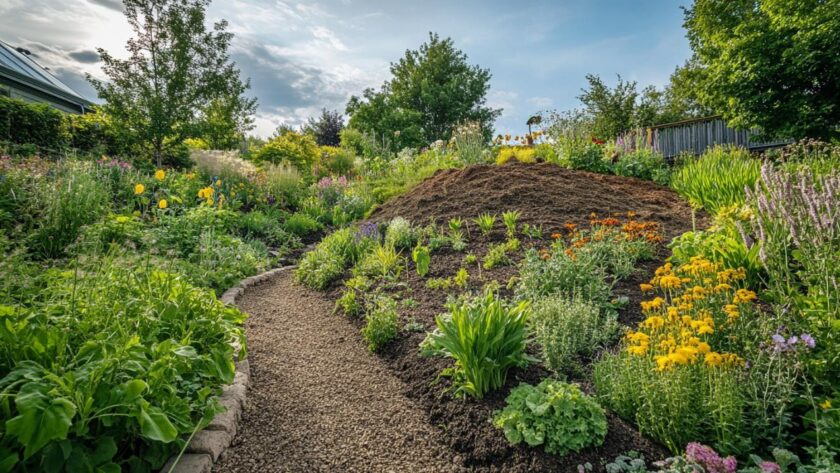
crbt Creating a thriving garden that respects natural systems whilst providing abundant harvests can feel like a daunting prospect for those just starting their journey into permaculture. One of the most effective and accessible techniques for beginners involves constructing a permaculture mound, a simple yet ingenious method that works with the landscape rather than against it. These mounds offer a unique approach to growing vegetables, herbs, and other plants by harnessing the principles of water management, soil fertility, and ecological balance. Whether you're working with a compact urban plot or a sprawling rural garden, understanding how to build and maintain these mounds will set you on the path to sustainable, productive gardening that benefits both your table and the environment.
Understanding the Fundamentals of Permaculture Mounds
Permaculture mounds represent a thoughtful reimagining of how we interact with soil and water in the garden. Unlike conventional gardening methods that often require extensive amendments and ongoing intervention, these mounds are designed to mimic natural ecosystems. They create microclimates and encourage beneficial biological activity beneath the surface, transforming your garden into a self-sustaining system. The beauty of permaculture mounds lies in their ability to address multiple challenges simultaneously, from poor drainage to compacted soil, whilst building fertility over time. By understanding the core principles behind these structures, you'll be better equipped to design a garden that works harmoniously with nature rather than requiring constant maintenance and external inputs.
What Makes a Permaculture Mound Different from Traditional Raised Beds
At first glance, a permaculture mound might seem similar to the raised beds you've seen in countless gardens across the country, but the differences run far deeper than mere appearance. Traditional raised beds typically consist of a frame filled with purchased soil or compost, essentially creating an elevated container for plants. Permaculture mounds, by contrast, are built directly on the ground without rigid boundaries, allowing for greater interaction between the mound and the surrounding ecosystem. This open design encourages beneficial organisms such as earthworms and mycorrhizal fungi to move freely throughout the structure, establishing networks that improve nutrient cycling and soil structure. The shape of a permaculture mound is equally important, with gently sloping sides that prevent erosion whilst maximizing planting surface area. This design creates varied microclimates along different aspects of the mound, offering sunny spots for heat-loving crops and shadier areas for plants that prefer cooler conditions. Traditional raised beds, with their vertical sides and contained soil, simply cannot replicate this diversity of growing environments. Furthermore, permaculture mounds incorporate organic materials in layers that break down over time, continuously feeding the soil and improving its structure, whereas raised beds often require regular top-ups of compost or other amendments to maintain fertility.
The Science Behind Moisture Retention and Drainage in Mound Construction
The genius of permaculture mounds lies in their ability to balance two seemingly contradictory needs: retaining moisture for plant roots whilst ensuring excess water drains away effectively. This balance is achieved through careful layering of materials with different properties, creating what permaculture practitioners call a sponge effect. At the base of a well-constructed mound, larger woody materials such as logs, branches, and twigs create air pockets and provide structure. As these materials slowly decompose, they absorb and hold water like a natural reservoir, releasing it gradually to plant roots during dry periods. Above this layer, smaller organic materials such as leaves, grass clippings, and compost fill the gaps whilst maintaining porosity, ensuring that water can still move through the mound rather than pooling and causing anaerobic conditions. The shape of the mound itself plays a crucial role in water management, with the peak shedding excess rainfall towards the sides where it can be absorbed more gradually. This design prevents the waterlogging that often plagues flat gardens during heavy rain, whilst the varied moisture levels from top to bottom allow you to position plants according to their water requirements. Deep-rooted vegetables can access the moisture reservoir in the lower layers, whilst shallow-rooted herbs near the peak benefit from better drainage. The science extends to the microbial activity within the mound, as the decomposition of organic matter generates heat and creates channels for water and air movement, further enhancing the mound's ability to regulate moisture effectively throughout the growing season.
Building your first permaculture mound: materials and step-by-step guidance
Constructing your first permaculture mound need not be an overwhelming task, and with the right approach, you can create a productive growing space using materials readily available in most gardens. The process rewards patience and attention to detail, but the investment of time and effort will pay dividends for years to come. Before you begin, take a moment to observe your garden space, noting areas that might benefit from improved drainage or where you'd like to create a focal point for vegetable production. The size of your mound can vary according to your needs and available space, though a typical mound might measure three to five feet wide at the base, tapering to a rounded peak, and stretching anywhere from six to twenty feet in length. Remember that you'll need to reach the centre from either side for planting and harvesting, so avoid making your mound too wide. The beauty of this approach is its flexibility, allowing you to adapt the design to your specific circumstances whilst adhering to the core principles that make permaculture mounds so effective.

Selecting the Right Location and Gathering Essential Materials for Your Mound
Choosing the proper location for your permaculture mound sets the foundation for success, so take time to assess your garden before breaking ground. Look for areas with adequate sunlight, ideally receiving at least six hours of direct sun daily for vegetable cultivation, though you can adjust plant selection for shadier spots. Consider the natural contours of your land, as positioning mounds perpendicular to slopes can help slow water movement and prevent erosion across your property. Avoid locations directly beneath large trees where root competition and excessive shade might limit plant growth, though some dappled shade from nearby structures or smaller trees can actually benefit certain crops during the hottest months. Once you've identified the ideal spot, begin gathering materials, starting with woody debris such as fallen branches, old logs, and prunings from trees and shrubs. These larger pieces will form the core of your mound, so collect more than you think you'll need. Next, gather finer organic materials including autumn leaves, grass clippings, straw, and any other plant matter you can source locally. Kitchen scraps, well-aged manure, and partially finished compost will enrich your mound, whilst garden soil or quality topsoil will form the finishing layer. You won't need to purchase expensive materials, as much of what you require might already be sitting in your garden or available from neighbours. The key is variety, as different materials decompose at different rates and contribute diverse nutrients to the developing ecosystem within your mound.
Layering Techniques for Optimal Soil Fertility and Composting Integration
The layering process transforms your gathered materials into a functioning permaculture mound, and understanding the proper sequence ensures optimal results. Begin by marking out the shape of your mound on the ground, then consider whether to dig a shallow trench along the perimeter. This optional step allows you to sink some of the bulkier woody material below ground level, creating an even more substantial moisture reservoir whilst reducing the overall height of the finished mound. Lay your largest logs and branches lengthwise along the base, creating the structural core that will hold moisture and provide habitat for beneficial organisms as it decomposes over the coming years. Fill gaps between larger pieces with smaller branches and twigs, building up a layer roughly twelve to eighteen inches thick. Over this woody foundation, add a layer of nitrogen-rich materials such as grass clippings, green leaves, or manure, which will help accelerate the decomposition of the carbon-rich wood below. Continue building upwards with alternating layers of carbon-rich browns such as dried leaves and straw, and nitrogen-rich greens such as kitchen scraps and fresh plant material. Each layer should be roughly four to six inches thick before adding the next, and lightly water as you go to ensure moisture penetrates throughout the structure. As the mound takes shape, maintain the gently sloping sides rather than creating sharp edges, which will help the structure shed excess water whilst preventing erosion. The final layer should consist of several inches of good-quality garden soil or compost, creating an immediate planting medium whilst protecting the decomposing materials below from drying out. Over time, the layers will settle and merge, but in the first season, this top layer provides the finished surface your plants need to establish. The entire structure essentially becomes a slow-motion composting system, generating nutrients and improving soil structure with each passing season, reducing your reliance on external fertilizers and creating a truly sustainable growing environment.
Maintaining balance: managing water flow whilst preserving soil moisture
Once your permaculture mound is established, the ongoing management focuses on maintaining the delicate equilibrium between moisture retention and drainage that makes these structures so productive. This balance shifts with the seasons and weather patterns, requiring observation and occasional intervention to keep your mound performing at its best. During the first few weeks after construction, the mound will settle as materials compact and begin decomposing, and you may need to top up the soil layer to maintain planting depth. Pay attention to how water behaves during rainfall, noting whether it soaks in evenly or runs off too quickly from certain areas. The goal is to create conditions where water infiltrates the mound gradually, percolating through the layers to reach the woody core where it can be stored for drier periods. As plants become established, their roots will create additional channels for water movement whilst their foliage helps protect the surface from erosion during heavy downpours. The living ecosystem within your mound will increasingly regulate itself, but understanding how to support this process through thoughtful planting and simple maintenance will ensure your mound remains productive for many years.
Planting Strategies for Vegetable Gardens on Permaculture Mounds
Selecting and positioning plants on your permaculture mound requires thinking about more than just personal preference, as different species have varying requirements for moisture, nutrients, and sun exposure. The varied conditions across the mound's surface create opportunities to grow a diverse range of crops in a relatively compact space. Position moisture-loving vegetables such as celery, lettuce, and brassicas on the lower sides of the mound where water naturally collects and the soil remains more consistently moist. The peak and upper slopes, which dry out more quickly, suit Mediterranean herbs such as rosemary, thyme, and oregano, along with heat-tolerant vegetables such as tomatoes and peppers. Consider the orientation of your mound as well, planting sun-loving crops on the south-facing slope in the Northern Hemisphere where they'll receive maximum light, whilst using the shadier north-facing side for crops that appreciate some respite from intense afternoon sun. Companion planting principles work beautifully on permaculture mounds, with deep-rooted plants such as comfrey helping to mine nutrients from lower layers and bring them to the surface, benefiting shallow-rooted neighbours. Spreading plants such as squash and cucumbers can sprawl down the sides of the mound, their large leaves creating living mulch that suppresses weeds and helps retain moisture. Annual vegetables can be interplanted with perennial herbs and small shrubs, creating a layered polyculture that mimics natural plant communities. This diversity not only maximizes productivity but also supports beneficial insects and reduces pest problems by avoiding the monocultures that often plague conventional vegetable gardens. As the seasons progress, replace harvested crops with new plantings to keep the mound productive year-round, adjusting your selections to suit changing weather conditions and your evolving understanding of how different species perform in various positions on the mound.
Troubleshooting common drainage issues and encouraging natural water management
Even well-constructed permaculture mounds can develop drainage problems, particularly during prolonged wet periods or if the initial layering wasn't quite right. Recognizing these issues early allows you to make adjustments before plants suffer. If you notice water pooling on the surface or areas of the mound remaining waterlogged, the problem likely stems from insufficient drainage channels through the layers. You can address this by carefully working some coarse materials such as wood chips or gravel into the affected areas, creating pathways for excess water to escape. Conversely, if the mound dries out too quickly, leaving plants stressed during dry spells, you may need to improve moisture retention by adding more organic matter to the surface. A thick mulch layer of straw, leaves, or wood chips dramatically reduces evaporation whilst gradually breaking down to feed the soil. Consider creating small depressions or swales around the base of the mound to capture runoff and allow it to slowly infiltrate rather than rushing away, particularly valuable in drier climates where every drop counts. Observing how native plants manage water in your local environment provides valuable lessons you can apply to your mound. Deep-rooted species naturally create channels that help water penetrate heavy soils, whilst groundcover plants protect the surface from erosive rainfall. Incorporating these principles into your mound management creates a more resilient system that requires less intervention over time. As your mound matures, the decomposing organic matter within will continue improving its water-holding capacity, making the structure increasingly self-regulating. Regular additions of compost or other organic materials to the surface maintain this process, ensuring your permaculture mound remains productive and balanced for many growing seasons to come.